


Food – a product to which strict requirements are always put forward related to storage conditions. Such a need is associated with its properties of rapid loss of freshness and suitability for consumption, even with the slightest deviation from temperature conditions, humidity indicators and other factors. Storage food – the first thing to worry about when planning to open a retail outlet.
The need for proper food storage
Requirements for accommodation of food – necessity, which is due to the peculiarities of their composition. They are indicated on the manufacturer's packaging and everything that the seller needs – follow these instructions. If the product is produced directly in the culinary workshops of a store or cafe, the expiration dates of the products are calculated by meeting the standards for the ingredients of the dish.
Proper placement of products allows you to extend their freshness and quality. Otherwise, they will become unusable before they get into the shopping cart.
Microorganisms that actively develop in favorable conditions for them, if the rules are not followed, can lead not only to their deterioration and financial losses for the enterprise, but also cause poisoning in the consumer. At the same time, for some time, bacteria do not affect the change in appearance and taste, but already have a negative effect on the human body, which has consumed products of improper conservation. In order to avoid trouble, you should take the issue seriously and avoid inconsistencies in temperature conditions. Each type of product has its own regulations, which have been deduced into norms and rules. They can be found in a special document that regulates the work with grocery products, for example – Order of the Ministry of Economy for European Integration of Ukraine "On Approval of the Rules for the Retail Trade of Food Products".
Storage rules and regulations
First of all, any product must have the supplier's accompanying documents, which indicate the production dates and batch number, shelf life, as well as – conclusions about the safety of their use for human health. The quality is checked even at the stage of delivery to the point of sale by the employees responsible for this – storekeepers, managers or other authorized persons. It is also important to take into account the method of transporting the product from the place of production to the points of sale, since some products can only be transported under freezing conditions in special freezers of equipped vehicles.
The number of refrigerators must correspond to the volume of purchases so that the entire range is in the conditions necessary for it.
It is prohibited for outlets with food products in their assortment:
There is also a more specific set of requirements for each of the product categories:
Accepted for sale and stored in special cabinets, containers and racks. For trade in confectionery products, it is necessary to have refrigeration equipment. It is forbidden to transport and store bread in bulk, move it from trays to boxes. It is important to observe the temperature indicators – not less than +6 degrees and air humidity – 75%. The implementation period depends on the type of bakery product and can vary from 16 hours for small products weighing no more than 200 grams, up to 36 hours for rye bread. After the expiration of the allotted time, the sale is prohibited.
It is stored in warehouses with a temperature not higher than +18 and a humidity of 75%, and in the case of cakes and pastries – in cabinets with cooling, where the temperature does not exceed +5 degrees. Weight products (soft sweets, cookies, waffles) are stored in the manufacturer's container. It is forbidden to sell crumbs and leftover confectionery.
Groats, flour, pasta are checked upon admission by examining the markings accompanying documents in appearance. They should be free of lumps, traces of dirt or moisture. This category is placed at a temperature not exceeding +20 degrees, and humidity not exceeding 70%.
Accepted for sale with documents certifying its suitability for consumption, the presence of special markings on carcasses about passing veterinary control. Meat with incorrect cut, questionable appearance or smell will not be accepted. Storage temperature for this type of product – not higher than +8, and for some types of – should not exceed +6 degrees.
Transportation is carried out only in vehicles specially equipped with refrigerators. If these rules are not observed, the goods are not allowed to be accepted for sale. Also, it is unacceptable to sell without accompanying documents, with unacceptable impurities or atypical color and smell. The cooling temperature should not exceed +6 degrees. The terms of implementation of each article must correspond to the marking.
The sale of goods is made in a live, chilled or frozen form. For a living species, it is necessary to have an aquarium with a water temperature of 11-15 degrees in it. The frozen product is freed from ice and placed on chilled counters.
Temperature conditions for storing soft drinks – up to +20 degrees and humidity no more than 75%. It is not allowed to accept bottles without marking, with sediment not typical for this type of drink. Beer is stored in bottles, barrels – unfiltered (5-12 degrees), filtered pasteurized – up to +20.
Storage of culinary productsis carried out in medium temperature refrigerators. Cooking – a type of product that has a limited shelf life. Considering that they are calculated not in months, but in hours, it is necessary to monitor them very carefully.
When planning the purchase of a product range, you should first study the requirements for their placement and prepare the necessary equipment in advance and allocate space for it in the room.
Food storage equipment
The range of equipment for the correct saving of inventory today is produced in a wide range, which allows retail outlets to choose the brand and model in accordance with the required characteristics and technical parameters.
For food storage, the following set of equipment is usually required:
They differ in temperature conditions, size and installation method. The main purpose – placement of products in warehouses and distribution centers. Three types are available:
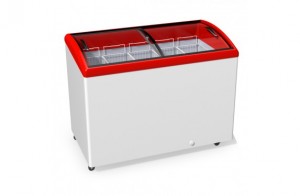
Used for temporary placement of products with a short shelf life. According to their features, there are:
They have compact dimensions, a large selection of species, taking into account the necessary characteristics, for which they have earned popularity among representatives of retail outlets.
Cold storage is not always sufficient. For long-term storage, shock freezing is used. It guarantees the safety of all properties, prevents drying and weathering of the goods. The main feature of the equipment is the absence of ice crystals during its use.
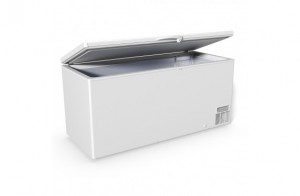
Used for products that have previously been deep-frozen. Suitable for semi-finished products, frozen vegetables and fruits, fish, meat products. They work only in sub-zero temperatures.
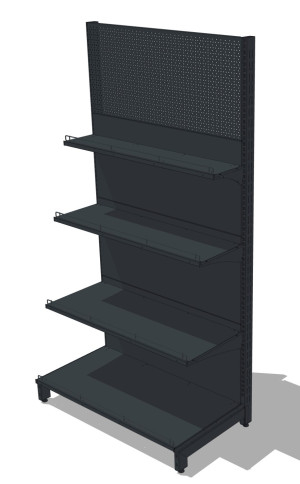
A type of equipment that does not belong to refrigeration, but without it it is difficult to imagine the placement in warehouses or halls of bulk goods, drinks, packaged products with a long shelf life at room temperature, etc. They are produced in various sizes. Modern views are easy to assemble and multifunctional.
For retail outlets, there is a wide range of equipment for optimal organization of space without loss in the quality of product placement. Everything you need – know exactly your assortment and correctly calculate the equipment necessary for its maintenance.



How to store sausage and cheese products
It is important to know that not all types of products are allowed to be kept in the commodity neighborhood. Items that are not allowed to be stored together include sausage and cheese products, since they belong to different product groups.
Rules for the storage and sale of sausages:
Only products that have the necessary certificates are accepted for sale, without violating the integrity of the package.
Cheese storage rules:
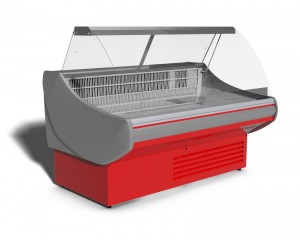
A refrigerator and a refrigerated display case, as well as – observance of the correct commodity neighborhood.
Professional equipment helps to provide food products with the necessary storage conditions. Manufacturers offer a wide range of equipment and accessories. The main task – choose the right ones for your store.
Company "OLTEBA" is engaged in the supply and installation of equipment, food storage which will meet all standards. We will help with the choice of equipment, taking into account the assortment, budget and other features of the business. We work with reliable manufacturers, we offer our customers the best value for money. Contact us, we know what your business needs!

